

How Burlington Drivers Can Shield Cars from Humidity Damage
For drivers in Burlington, NC, humidity isn’t just a weather statistic mentioned on the morning news; it’s a persistent environmental factor that dictates the rhythm of daily life. While we often focus on how high moisture levels affect our comfort or our home’s cooling bills, we frequently overlook the silent, corrosive work humidity performs on another one of our most significant investments: our vehicles. At Modern Cadillac of Burlington, we see the long-term results of North Carolina’s humid climate every day in our service bays.
Humidity acts as a silent catalyst. It doesn’t cause immediate, catastrophic failure like a collision might, but it accelerates the natural degradation of every material in your car, from the high-tensile steel frame to the hand-stitched leather of a Cadillac Escalade interior. Understanding this invisible threat is the first step in protecting your vehicle’s performance, safety, and eventual resale value. Whether you are commuting down Alamance Road or taking a weekend trip toward the coast, the air around you is filled with moisture that is looking for any opportunity to settle, condense, and corrode.
Understanding the Science: Moisture and Metal
Understanding the threat starts with the chemistry between relative humidity and car components. Since corrosion is an electrochemical reaction, iron and steel remain stable in dry conditions. But once humidity tops 60%, a thin water film develops on metal, functioning as an electrolyte that allows electrons to travel between the metal and atmospheric oxygen. This reaction produces iron oxide, which we recognize as rust.
In Burlington, our humidity often soars well above that 60% threshold, especially during the spring and summer months. When temperature swings occur between day and night, the ‘dew point’ becomes a critical factor. As the air cools at night, it can no longer hold the same amount of moisture, leading to condensation. This ‘morning dew’ doesn’t just sit on your grass; it finds its way into the nooks and crannies of your vehicle’s chassis, internal door panels, and engine bay, staying there long after the sun has come up. If you have questions about how your specific model handles these conditions, you can always call us at (336) 229-5501 to speak with a specialist.
Interior Hazards: Mold, Mildew, and Leather Care
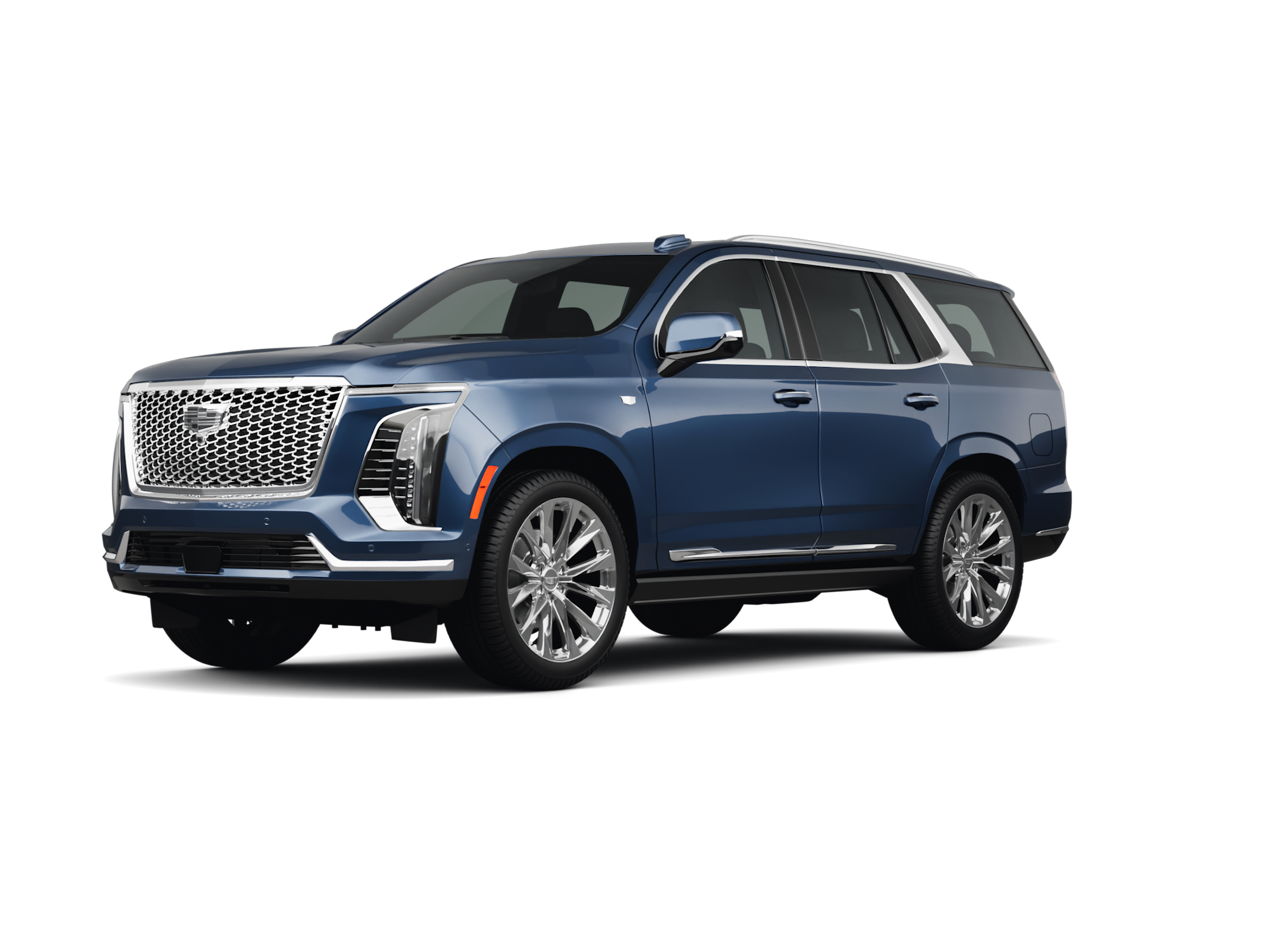
Step inside a vehicle that has been sitting in 90% humidity, and you’ll immediately notice the ‘musty’ smell. This isn’t just an inconvenience; it’s the scent of active organic growth. Mold and mildew thrive in the dark, damp recesses of automotive interiors—under floor mats, inside seat cushions, and within the headliner. For luxury owners, the stakes are even higher. High-end leathers are porous and organic; excessive moisture can cause leather to swell, lose its shape, or even develop rot if not properly conditioned and ventilated.
To combat this, we recommend keeping your cabin clean and dry. If you’ve recently upgraded to one of the new vehicles at Modern Cadillac of Burlington, maintaining that ‘new car smell’ requires vigilance against moisture. Use a high-quality leather conditioner that includes a moisture barrier, and ensure your window seals are intact to prevent rain seepage during our frequent North Carolina thunderstorms.
The Hygroscopic Nature of Brake Fluid

In a humid environment like Burlington, your brake fluid can reach critical moisture levels much faster than in drier climates. We recommend a brake fluid flush every two years regardless of mileage to ensure your Cadillac’s safety systems remain uncompromised. Don’t wait for the warning light; schedule service at Modern Cadillac of Burlington to have your fluid tested today.
Electrical Systems and Sensor Interference
Air Conditioning: Your Car’s Primary Dehumidifier
Your air conditioning system does more than just lower the temperature; its most important job in North Carolina is removing moisture from the cabin. As warm, humid air passes over the cold evaporator coils, the moisture condenses into water droplets and drains out of the vehicle via a drain tube. This is why you see a puddle of water under your car after parking on a hot day—that’s the humidity being removed from your interior.
However, this process makes the AC system a breeding ground for bacteria and mold. If the drain tube becomes clogged with debris, that water backs up into the HVAC housing, leading to a swampy smell and potential water damage to your footwell carpets. Regularly replacing your cabin air filter and ensuring your AC system is charged and functioning efficiently is essential for maintaining a dry, healthy environment inside your vehicle.
Proactive Protection: Garage and Storage Tips
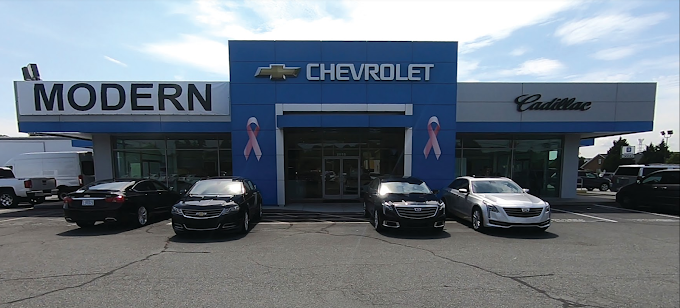
How you store your vehicle is just as important as how you drive it. A garage is usually a benefit, but a poorly ventilated garage can actually act as a greenhouse, trapping moisture against your car. If your garage feels damp, consider running a dehumidifier to keep the relative humidity below 50%.
For those who use car covers, ensure you choose a ‘breathable’ fabric. A waterproof plastic cover might keep rain off, but it will also trap ground moisture underneath, creating a humid microclimate that can rot your interior and rust your frame in record time. Always ensure the car is completely dry before covering it. If you’re planning on storing a vehicle long-term, we recommend using moisture-absorbing ‘desiccant’ packs inside the cabin to prevent mold growth.
Warning Signs You Shouldn’t Ignore
Keep an eye (and nose) out for these symptoms of humidity-related distress:
- Persistent Fogging: If your windows won’t clear even with the AC on, you may have moisture trapped in the carpets or a leaking heater core.
- Musty Odors: A sign of mold growth in the vents or upholstery.
- Squealing on Start: Moisture on the serpentine belt causing temporary slippage.
- Brake Softness: A pedal that feels ‘mushy’ or goes further to the floor than usual.
- Corroded Battery Terminals: White or bluish crusty buildup on the battery posts.
If you notice any of these, it’s time for a professional evaluation.
Schedule Your Humidity-Ready Inspection Today
Don’t let the North Carolina air dictate the lifespan of your vehicle. At Modern Cadillac of Burlington, we provide the expertise and specialized care your Cadillac deserves. From precision fluid flushes to advanced electrical diagnostics, our team is equipped to handle the unique challenges of our humid climate.
Protect your performance, preserve your luxury, and ensure your safety by booking a comprehensive humidity-readiness inspection today. Our team is ready to welcome you to the Modern Cadillac family.
0 comment(s) so far on How Burlington Drivers Can Shield Cars from Humidity Damage