
The Hidden Dangers of Low Tire Pressure: Is It Really Safe to Drive?
Underinflated Tires: Understanding the Hidden Risks and Safety Concerns
It happens to the best of us: you’re cruising through Burlington, enjoying the refined silence of your Cadillac, when a small amber icon illuminates on your dashboard. It’s the Tire Pressure Monitoring System (TPMS) symbol. Your first instinct might be to dismiss it as a minor annoyance or a side effect of the fluctuating North Carolina spring temperatures. However, as experts in luxury automotive safety, the team at Modern Cadillac of Burlington is here to tell you that ignoring this light is one of the most dangerous decisions a driver can make. Driving with low tire pressure isn’t just a matter of reduced comfort; it is a fundamental compromise of your vehicle’s structural integrity and your family’s safety.
When your tires are under-inflated, they don’t just ‘look a little flat.’ The physics of how your vehicle interacts with the asphalt changes entirely. A tire with low PSI (pounds per square inch) experiences increased rolling resistance, which generates excessive internal heat. This heat is the primary enemy of rubber, leading to a process called ‘delamination’ where the internal components of the tire begin to separate. What starts as a slow leak can rapidly evolve into a catastrophic blowout at highway speeds on I-40. In this guide, we will break down why that little light deserves your immediate attention and how we can help you maintain the precision performance you expect from a Cadillac.
The Science of Safety: How Low Pressure Affects Vehicle Dynamics
Decoding Your TPMS: What is Your Cadillac Telling You?
Common Culprits: Why Your Tires Are Losing Air
Air loss isn’t always the result of a dramatic event. In Burlington, we see three main reasons for pressure drops. First is Natural Permeation: tires are slightly porous, and it’s normal to lose about 1 to 2 PSI per month. Second is Temperature Fluctuations: as we transition through spring, a warm afternoon followed by a cool 50-degree evening can cause your air to compress, dropping your PSI. Finally, there are Slow Leaks caused by road debris. If you’ve been near construction zones lately, a small nail could be hiding in your tread.
If you find yourself constantly adding air, it’s time for a professional evaluation. You can find expert assistance and replacement options at our parts center at Modern Cadillac of Burlington.
The Financial Toll: Fuel Economy and Premature Wear
Identifying Abnormal Tire Wear Patterns
Expert Service at Modern Cadillac of Burlington
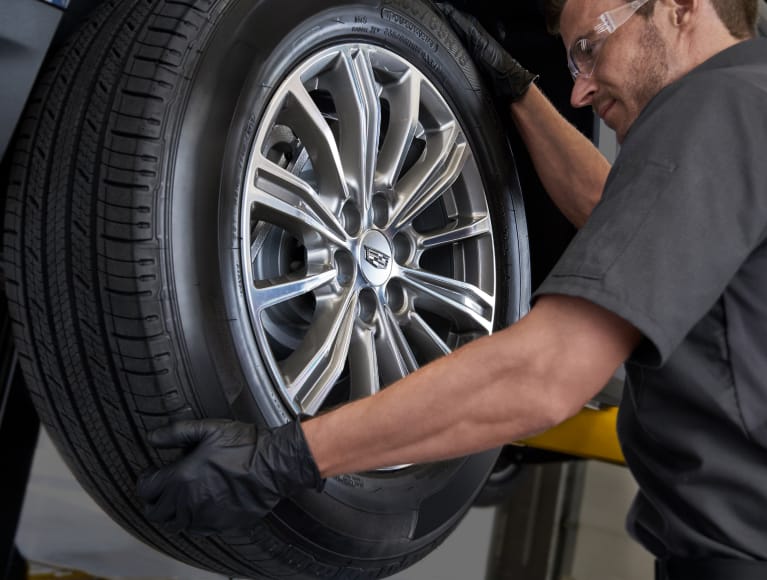
Why trust your luxury vehicle to a generic tire shop? At Modern Cadillac of Burlington, our certified technicians are trained specifically on the nuances of Cadillac’s chassis and TPMS technology. We don’t just fill your tires with air; we perform a comprehensive 27-point inspection to ensure your vehicle is operating at peak performance. We also offer nitrogen fills, which feature larger molecules that leak out more slowly and are less affected by temperature swings—perfect for our North Carolina climate.
Don’t wait for a blowout to take action. It is quick and easy to schedule service at Modern Cadillac of Burlington for a professional tire health check.
How to Properly Check and Adjust Tire Pressure
Upgrade Your Drive: Explore New Cadillac Safety Technology
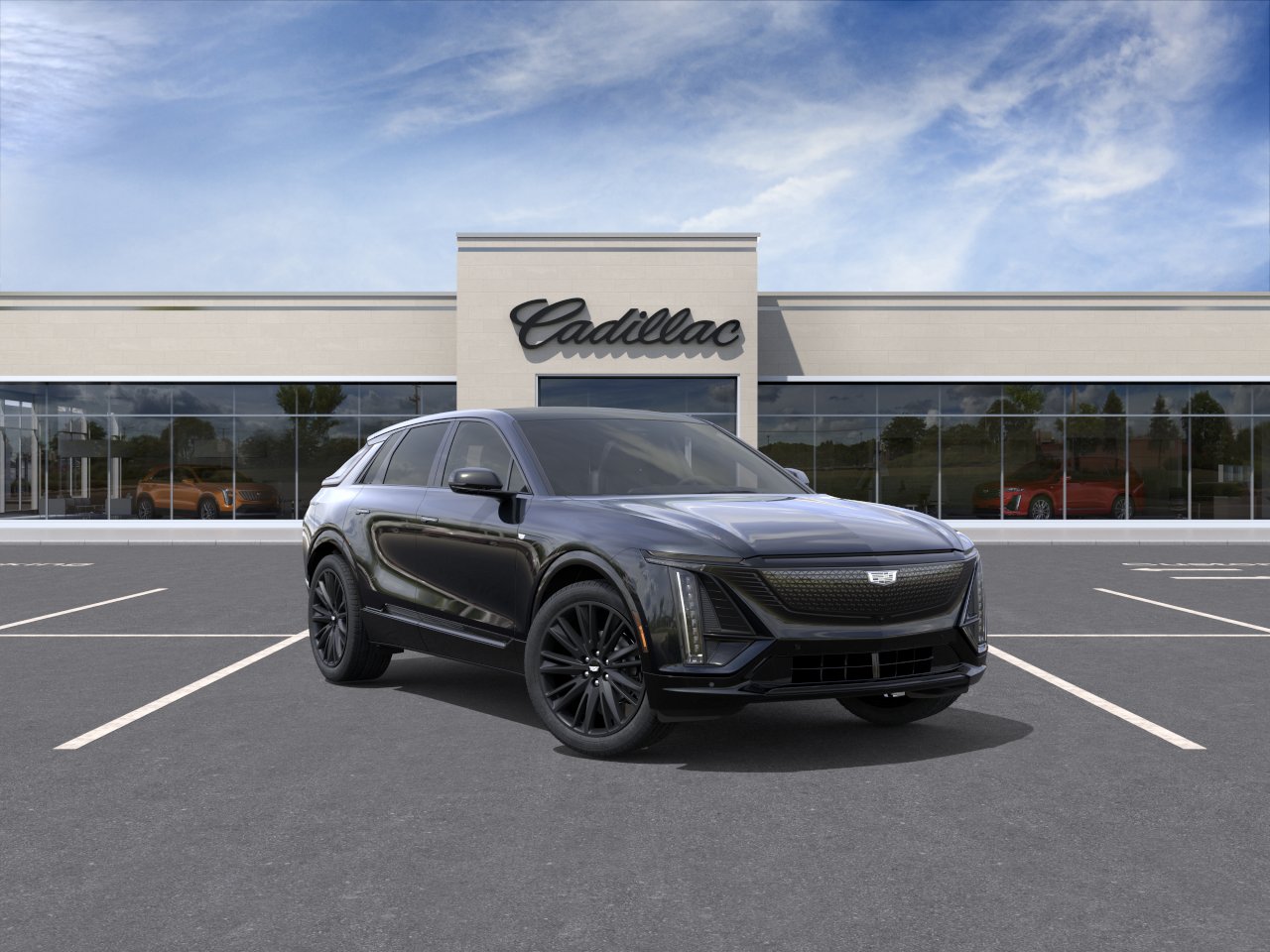
Modern Cadillac vehicles feature some of the most advanced tire and safety monitoring systems in the world. From the all-electric LYRIQ to the commanding Escalade, these vehicles don’t just tell you when pressure is low—they provide detailed health reports via the myCadillac app. If your current vehicle lacks these peace-of-mind features, it might be time for an upgrade. Browse our latest new vehicles or consider a high-quality option from our pre-owned vehicles available. For the ultimate in modern tech, you can even test drive an EV Cadillac today.
Schedule Your Professional Tire Inspection Today
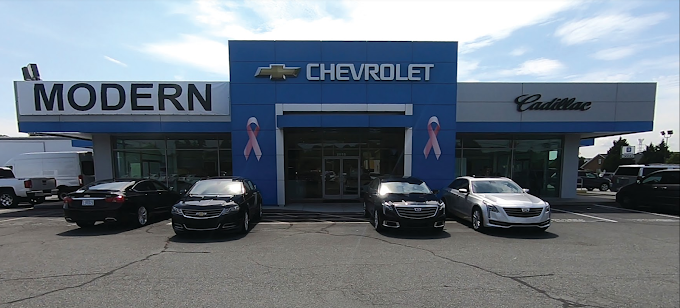
At the end of the day, your tires are the only thing connecting your Cadillac to the road. While you can drive a short distance on low pressure to reach a service station, it is never truly ‘safe.’ Protect your investment and your passengers by making tire maintenance a priority. The team at Modern Cadillac would like to welcome you to our dealership in Burlington, where we’re confident you’ll find the expert care you deserve.
Visit us at 2616 Alamance Rd, Burlington, NC 27215. Get Directions to Modern Cadillac of Burlington here or call us at (336) 229-5501 to speak with a service advisor immediately.
0 comment(s) so far on The Hidden Dangers of Low Tire Pressure: Is It Really Safe to Drive?